Electric bikes, commonly known as e-bikes, have rapidly become a preferred mode of transport for daily commuting, fitness riding, and leisure travel. With higher speeds and added power compared to regular bicycles, e-bikes offer convenience and efficiency—but they also demand greater safety awareness. Riding smarter means understanding both the benefits and the responsibilities that come with electric assistance.
Here is a complete guide covering important e-bike safety tips that every rider should follow to ensure a safe and confident riding experience.
Understand Your E-Bike Before Riding
Before taking your e-bike on the road, it is crucial to understand how it works.
E-bikes differ in terms of motor power, pedal-assist levels, throttle response, braking systems, and battery placement. Spend time reading the user manual and practice riding in a controlled area to understand acceleration, braking distance, and weight balance.
Knowing how your e-bike behaves at different speeds can prevent sudden surprises during real-world riding.
Always Wear Proper Safety Gear
Safety gear is not optional when riding an e-bike.
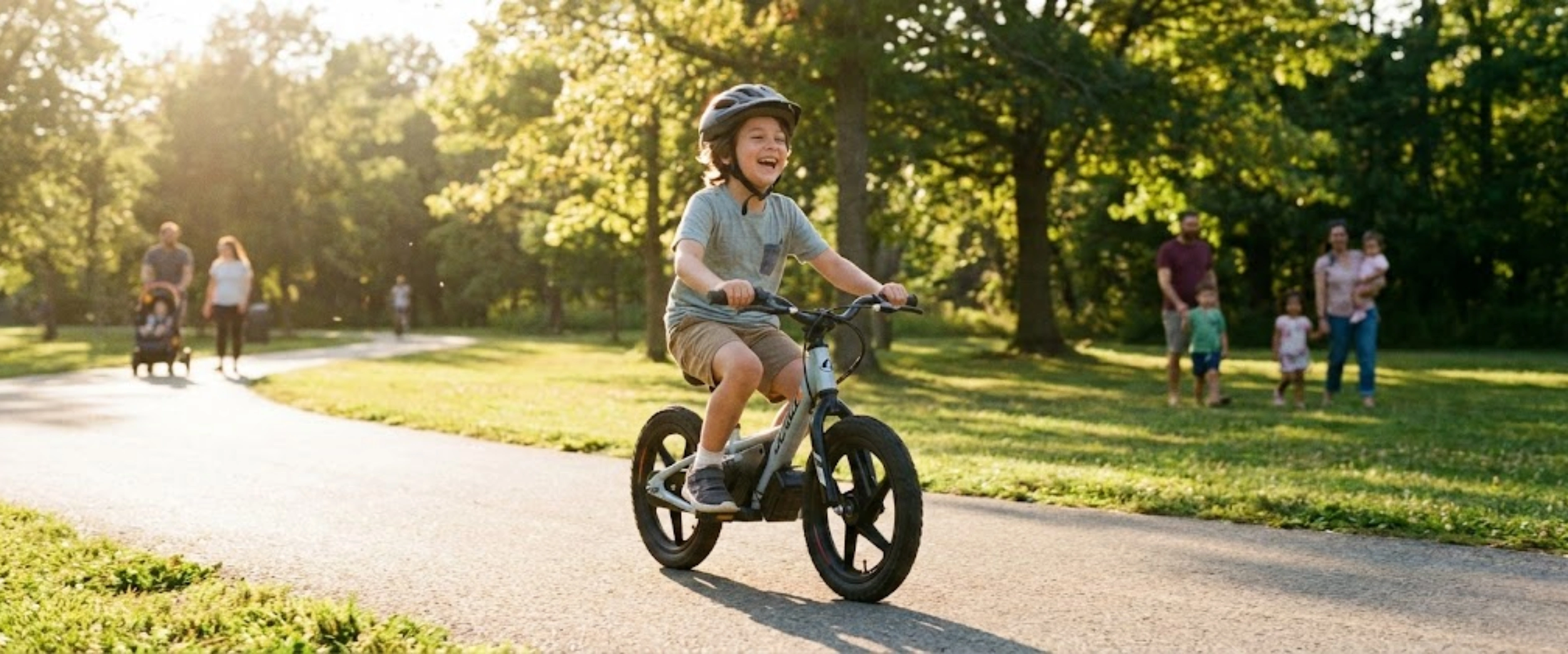
A certified helmet is the most important protective equipment, as e-bikes can reach higher speeds than traditional bicycles. In addition to helmets, riders should consider wearing gloves for better grip, closed-toe shoes for stability, and reflective or bright clothing for visibility.
Protective gear significantly reduces the risk of serious injury during accidents or falls.
Follow Traffic Rules and Local E-Bike Laws
E-bikes are often subject to specific regulations depending on motor power and speed limits.
Always follow traffic signals, lane discipline, and road signs just like other vehicles. Be aware of local e-bike laws related to helmet use, maximum speed, age restrictions, and where e-bikes are permitted to ride, such as bike lanes or shared roads.
Riding legally not only keeps you safe but also avoids fines and legal trouble.
Maintain a Safe Speed at All Times
While e-bikes make it easy to ride faster with less effort, speed management is essential for safety.
Ride at a speed appropriate to road conditions, traffic density, and visibility. Slow down in crowded areas, on uneven roads, near pedestrians, and during sharp turns. High speed reduces reaction time and increases stopping distance.
Smart speed control is one of the most effective ways to prevent accidents.
Keep Both Hands on the Handlebar
Maintaining control of your e-bike requires both hands on the handlebar at all times.
Avoid using mobile phones, wearing earphones, or carrying heavy items while riding. If you need to check directions or take a call, stop safely at the side of the road.
Distractions significantly increase the risk of losing control, especially at higher speeds.
Use Lights and Reflectors for Visibility
Visibility plays a crucial role in e-bike safety, especially during low-light conditions.
Ensure your e-bike has working front and rear lights. Use reflectors on wheels and pedals, and wear reflective clothing if riding at night or early morning. Even during the daytime, lights can help other road users notice you more easily.
Being visible reduces the chances of collisions.
Check Brakes, Tyres, and Battery Regularly
Regular maintenance is key to safe riding.
Before every ride, do a quick inspection of:
Brakes for responsiveness
Tyres for proper air pressure and tread condition
Battery charge level and secure mounting
Faulty brakes or under-inflated tyres can lead to dangerous situations, especially during emergency stops.
Be Extra Cautious at Intersections
Intersections are one of the most accident-prone areas for e-bike riders.
Slow down, make eye contact with drivers, and never assume that others can see you. Use hand signals well in advance and avoid sudden lane changes. Always yield when required and stay alert for vehicles making turns.
Defensive riding at intersections can prevent serious accidents.
Adapt Riding Style to Weather Conditions
Weather conditions significantly affect road grip and visibility.
In rain or fog, reduce speed, increase braking distance, and avoid sharp turns. Wet roads can be slippery, especially on painted road markings and metal surfaces. During extreme heat, ensure your battery does not overheat and stay hydrated.
Adapting your riding style to weather conditions ensures better control and safety.
Secure Your E-Bike When Parked
E-bikes are valuable and often targeted by thieves.
Always use a high-quality lock and secure your e-bike to a fixed object. Remove the battery if possible when parking for extended periods. Avoid leaving your e-bike unattended in isolated or poorly lit areas.
Proper security protects your investment and ensures peace of mind.
Ride Defensively and Anticipate Hazards
Defensive riding means staying alert and anticipating potential dangers.
Watch out for potholes, loose gravel, parked car doors, pedestrians stepping onto the road, and unpredictable traffic behavior. Maintain a safe distance from vehicles and always have an escape path in mind.
Anticipation and awareness are key elements of riding smarter.
Avoid Overloading Your E-Bike
Every e-bike has a maximum load capacity.
Carrying excessive weight can affect balance, braking efficiency, and motor performance. If using a carrier or panniers, distribute weight evenly to maintain stability.
Respecting load limits improves control and extends the lifespan of your e-bike.
Conclusion: Ride Smart, Ride Safe
E-bikes offer an efficient, eco-friendly, and enjoyable way to travel, but safety should always come first. By understanding your e-bike, following traffic rules, wearing protective gear, and maintaining awareness on the road, you can significantly reduce risks and enjoy a smooth riding experience.
Riding smarter is not about riding faster—it is about riding responsibly and confidently.

Rohit Sharma
AuthorLast updated 12 hours ago