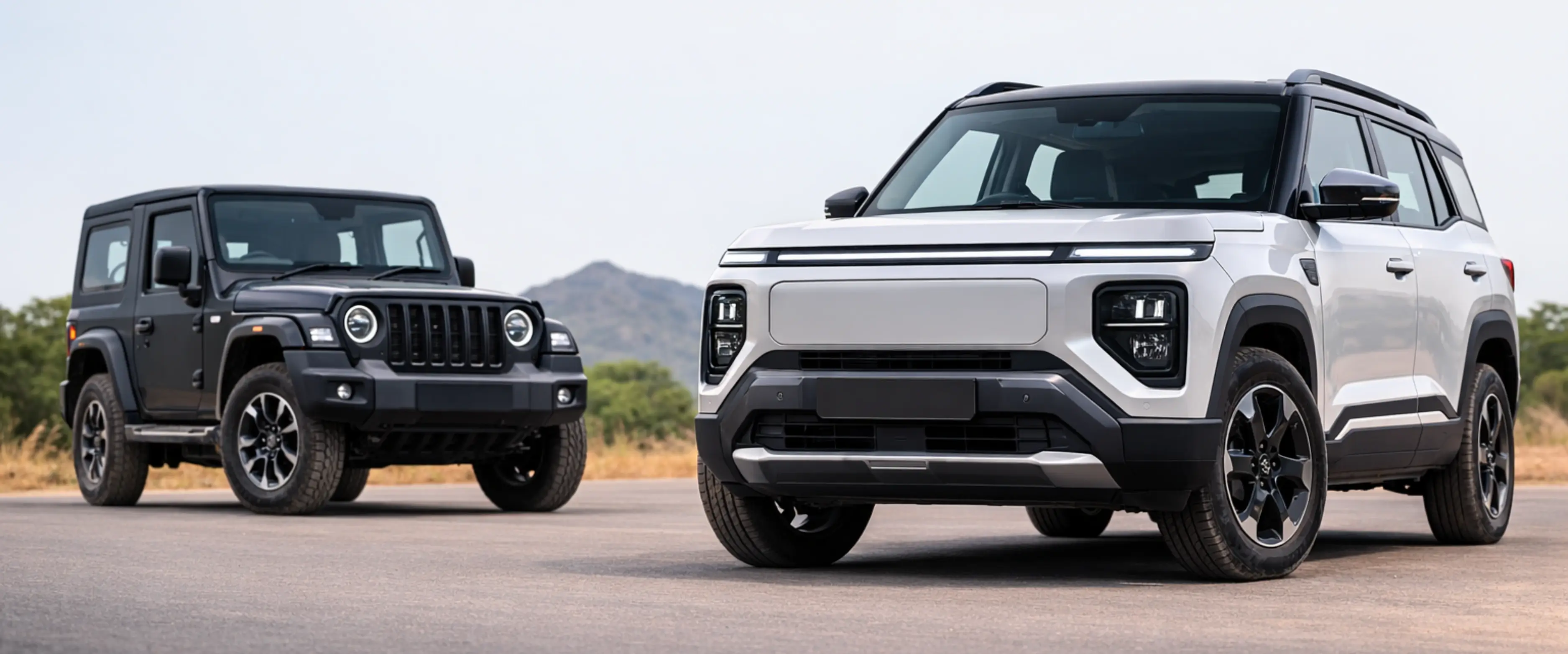
Buying a car in India isn’t easy—especially when you’re choosing between Maruti Suzuki and Hyundai, two brands that almost every Indian driver trusts. From budget-friendly hatchbacks to stylish SUVs, both companies offer plenty of options, making the decision even more confusing.
To help you choose the right car, this blog breaks down Maruti Suzuki vs Hyundai in a clear and practical way—covering price, mileage, features, performance, and ownership cost—so you can pick the brand that truly fits your needs and lifestyle.
Maruti Suzuki vs Hyundai - Quick View
Maruti Suzuki
Maruti Suzuki, a joint venture between Suzuki Motor Corporation (Japan) and Maruti Udyog Ltd (India), has been the largest car manufacturer in India for decades. Known for affordable, reliable, and fuel-efficient cars, Maruti Suzuki enjoys a dominant market share.
Key Highlights:
Market Share: ~50% of the Indian passenger vehicle market (FY 2025-26)
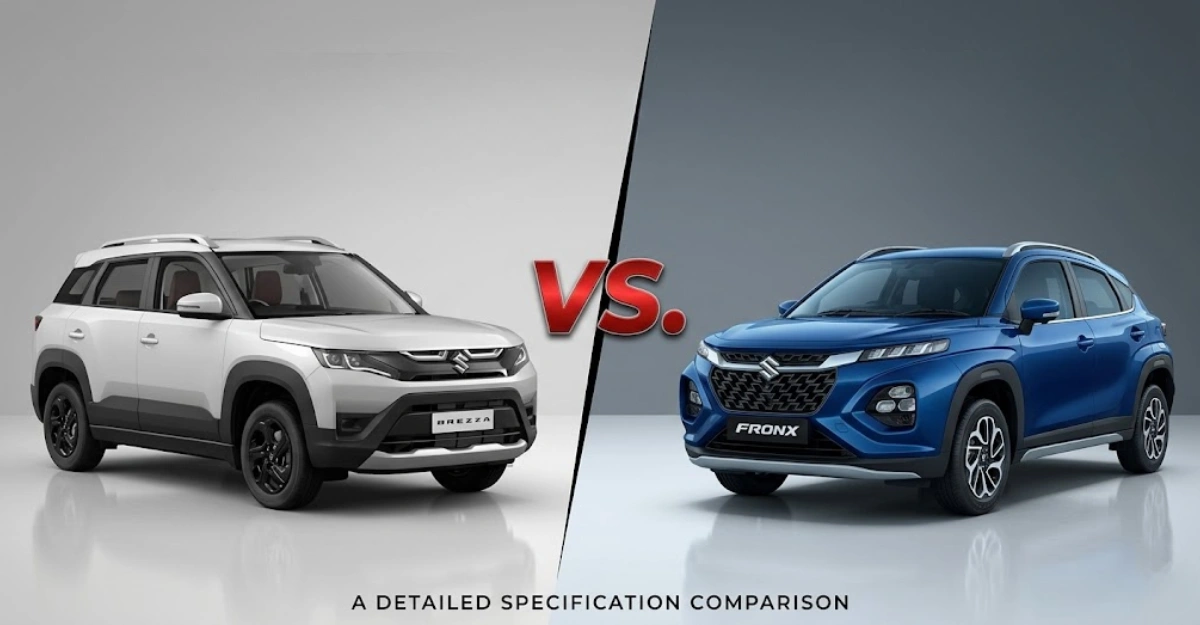
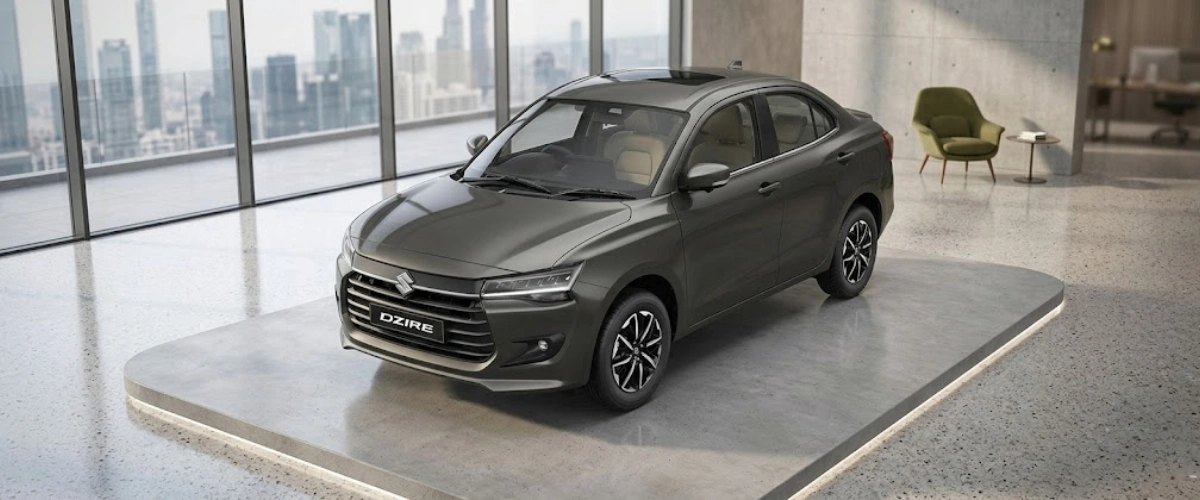
Popular Segments: Hatchbacks (Alto, Swift), Sedans (Dzire, Ciaz), SUVs (Vitara Brezza, S-Cross)
Strengths: Affordability, extensive service network, fuel efficiency
Hyundai
Hyundai Motor India Ltd (HMIL) entered India in 1996 and quickly became a major player. Hyundai is known for modern design, premium features, and value-for-money vehicles.
Key Highlights:
Market Share: ~17-18% of the Indian passenger vehicle market
Popular Segments: Hatchbacks (i10, i20), Sedans (Verna, Aura), SUVs (Creta, Venue, Alcazar)
Strengths: Stylish designs, feature-rich cars, competitive pricing
Authoritative Stats:
Maruti Suzuki sold ~1.4 million units in FY 2025, leading the market.
Hyundai sold ~450,000 units in the same period, consistently ranking second in India.
Price Comparison
Maruti Suzuki Cars:
Hatchbacks: ₹3.5 – ₹7.5 Lakh
Sedans: ₹6 – ₹10 Lakh
SUVs: ₹8 – ₹13 Lakh
Hyundai Cars:
Hatchbacks: ₹5 – ₹9 Lakh
Sedans: ₹7 – ₹12 Lakh
SUVs: ₹8 – ₹20 Lakh
Insight: Maruti Suzuki cars are generally more affordable, especially in entry-level segments, while Hyundai offers slightly premium pricing for feature-packed variants.
Mileage & Fuel Efficiency
Maruti Suzuki: Known for excellent fuel efficiency. Examples:
Alto: 22-24 km/l
Swift: 21-23 km/l
Vitara Brezza: 17-19 km/l
Hyundai: Focuses on balanced performance and mileage:
i20: 18-20 km/l
Verna: 16-18 km/l
Creta: 16-17 km/l
Verdict: If mileage is a priority, Maruti Suzuki has a slight edge, especially in hatchbacks and small SUVs.
Engine Performance & Driving Experience
Maruti Suzuki:
Engines are refined and smooth, tuned for city driving.
Driving is comfortable, with lighter steering and better maneuverability.
Not as performance-oriented for highway or sporty drives.
Hyundai:
Offers more powerful engines, better acceleration, and highway stability.
Ride quality is comfortable, with good suspension tuning for uneven roads.
Slightly heavier steering in hatchbacks but stable at high speeds.
Verdict: For city commuting, Maruti Suzuki excels; for highway comfort and performance, Hyundai stands out.
Features Comparison
Insight: Hyundai generally offers more premium features, especially in mid and top variants.
Maintenance & Ownership Cost
Maruti Suzuki:
Known for low maintenance cost and wide service network.
Average annual maintenance: ₹6,000 – ₹10,000 for hatchbacks, slightly higher for SUVs.
Hyundai:
Slightly higher maintenance than Maruti Suzuki.
Average annual maintenance: ₹8,000 – ₹15,000 depending on the model and engine type.
Verdict: Maruti Suzuki is more affordable to maintain in the long run.
Pros & Cons of Each Brand
Maruti Suzuki Pros:
Affordable and fuel-efficient
Low maintenance cost
Extensive service network
Reliable resale value
Maruti Suzuki Cons:
Less premium feel in interiors
Average engine performance in bigger vehicles
Limited premium features in base variants
Hyundai Pros:
Stylish and modern designs
Feature-rich interiors
Strong engine performance
Comfortable highway driving
Hyundai Cons:
Higher initial cost
Slightly higher maintenance
Mileage slightly lower than Maruti Suzuki
Which Brand Should You Choose?
Choosing between Maruti Suzuki and Hyundai ultimately depends on your budget, driving needs, and personal preferences. If you are looking for an affordable car with excellent fuel efficiency, low maintenance costs, and easy availability of service centers across India, Maruti Suzuki is the more practical choice—especially for daily city commuting and long-term ownership.
On the other hand, if you prefer a more premium feel, modern design, advanced features, and better highway performance, Hyundai stands out as the better option. Hyundai cars suit buyers who value comfort, technology, and a refined driving experience. In short, Maruti Suzuki is ideal for cost-conscious and first-time buyers, while Hyundai is better suited for those seeking style, features, and a slightly more premium ownership experience.
Conclusion
Both Maruti Suzuki and Hyundai offer excellent options in every segment. Maruti Suzuki leads in affordability, fuel efficiency, and low maintenance, while Hyundai impresses with premium features, modern design, and engine performance. Your choice depends on budget, preferences, and driving style.
FAQs – Maruti Suzuki vs Hyundai Cars
1. Which brand is more fuel-efficient?
Maruti Suzuki cars generally have better fuel efficiency, especially hatchbacks.
2. Which brand is cheaper to maintain?
Maruti Suzuki has lower maintenance costs due to an extensive service network.
3. Which brand has better resale value?
Maruti Suzuki cars usually retain higher resale value.
4. Which brand is better for city driving?
Maruti Suzuki, thanks to lightweight cars and easier maneuverability.
5. Which brand is better for highway and long drives?
Hyundai, due to stronger engines and stable ride quality.

Rohit Sharma
AuthorLast updated 38 minutes ago